Long highway drives can be exhausting, especially when navigating stop-and-go traffic or maintaining lane position for hours. Ford BlueCruise hands-free highway driving technology addresses these challenges by assisting with steering, braking, and acceleration on pre-mapped controlled-access highways. Available across multiple Ford models including the Explorer, Expedition, and F-150, BlueCruise is an advanced driver-assistance feature designed to reduce fatigue on long trips. Here are answers to five frequently asked questions about this system.
What is Ford BlueCruise and How Does It Work?
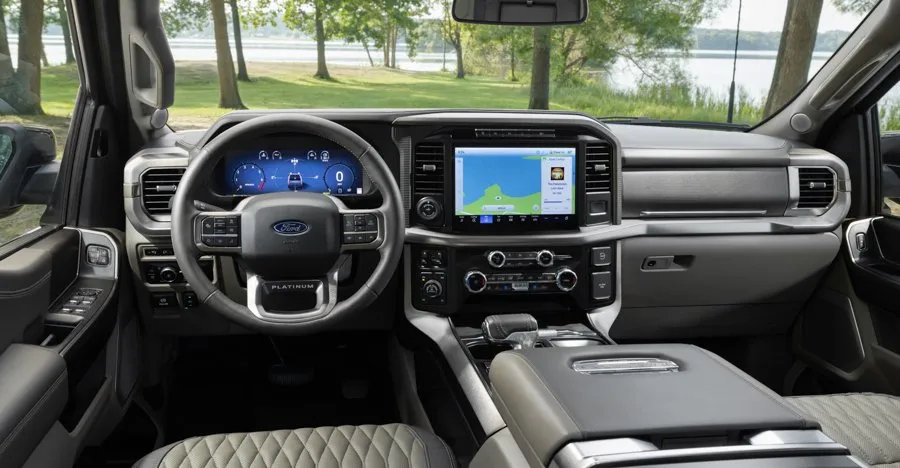
Ford BlueCruise is a hands-free highway driving feature that operates on pre-mapped controlled-access highways across Canada and the United States. The system uses a combination of cameras, radar sensors, and GPS data to monitor road conditions and vehicle positioning. When activated in designated Hands-Free Blue Zones, BlueCruise assists with steering, braking, and acceleration, allowing drivers to remove their hands from the wheel while remaining attentive to the road ahead.
The technology includes Lane Change Assist, which enables lane switching with a simple tap of the turn signal when the path is clear. In-Lane Repositioning subtly shifts the vehicle away from adjacent traffic to provide additional space. A driver-facing camera monitors attention levels to ensure drivers remain engaged and ready to resume control when necessary. BlueCruise operates exclusively on controlled-access highways and requires drivers to keep their eyes on the road at all times.
Which Ford Models Offer BlueCruise?
BlueCruise availability has expanded across the Ford lineup. The 2025 and 2026 Ford Explorer offers BlueCruise hardware on select trims, with customers able to activate the system through various subscription options. The 2026 Ford Expedition makes BlueCruise available on select models, including Active, Platinum, King Ranch, and Tremor trims.
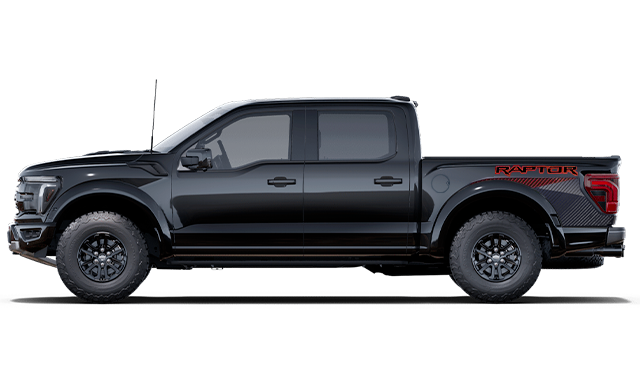
The 2026 Ford F-150 provides BlueCruise as an available feature on XLT and standard equipment on Lariat and higher trims, covering 97% of controlled-access highways across North America. The system is also available on the 2026 Explorer Tremor, combining hands-free highway capability with off-road performance.
How Do BlueCruise Subscription Plans Work?
Ford offers flexible activation options for BlueCruise-equipped vehicles. New vehicle buyers receive either a complimentary 90-day trial or a one-year plan included with purchase, depending on the model and trim level. The 2026 Expedition King Ranch, for example, includes a one-year plan plus an additional 90-day trial period.
After the initial trial or included plan expires, customers can choose annual or monthly subscriptions based on their driving needs. This flexibility is particularly valuable for families who travel extensively during specific seasons, such as summer vacation periods or sports travel schedules. Some models also offer a one-time purchase option, eliminating the need for recurring subscription management. All BlueCruise activations require a Connected Services plan, the FordPass App, and modem activation.
What are the Key Safety Features of BlueCruise?
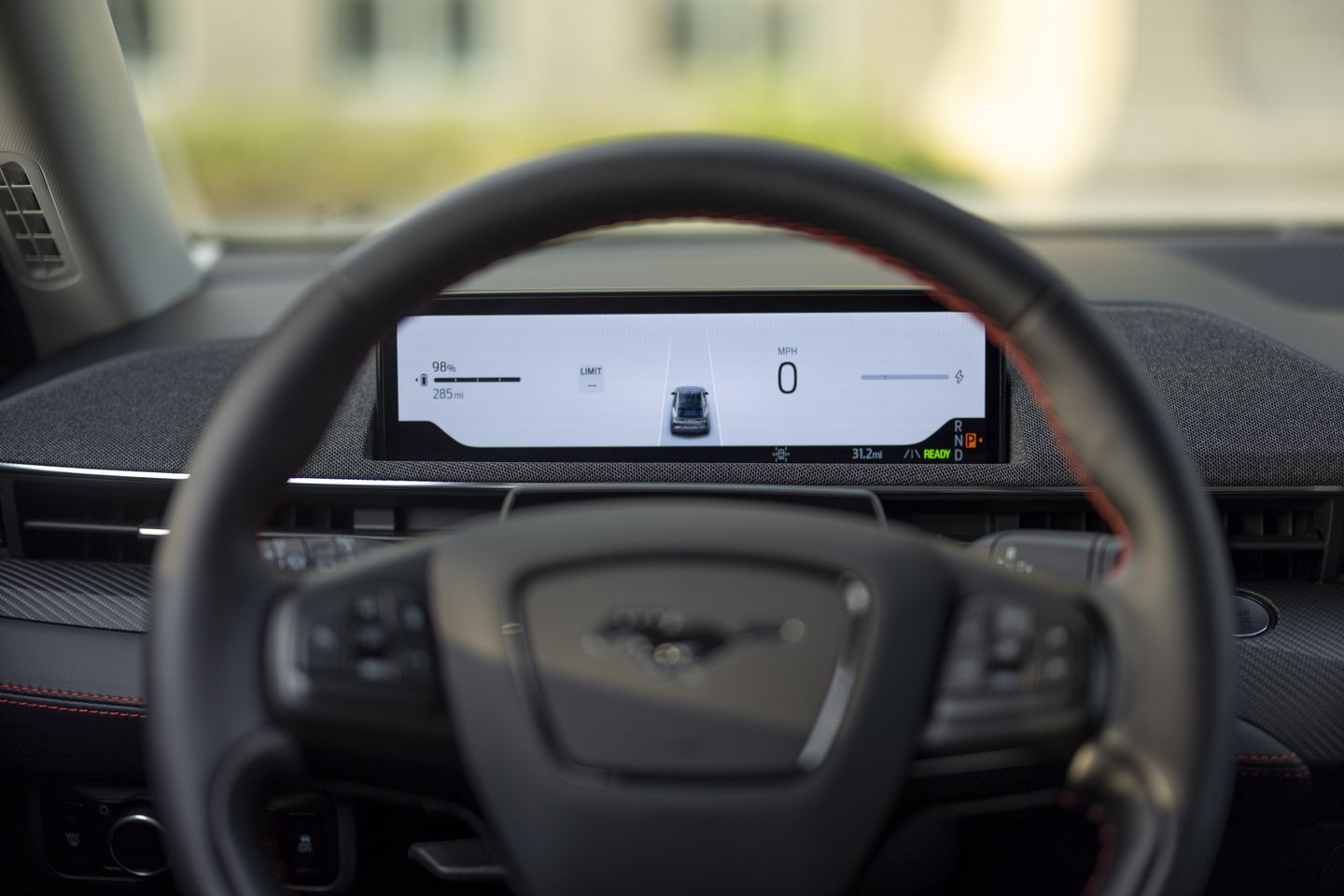
BlueCruise is designed as a driver-assistance system, not an autonomous driving solution. The driver-facing camera continuously monitors attention levels, ensuring drivers remain focused on the road. If the system detects prolonged inattention, it provides visual and audible alerts, escalating to a gradual slowdown if the driver does not respond.
The system operates only in pre-mapped Hands-Free Blue Zones on controlled-access highways. Outside these zones, drivers must maintain full manual control. BlueCruise integrates with Ford Co-Pilot360 technologies, including Pre-Collision Assist with Automatic Emergency Braking, Blind Spot Information System, and Lane-Keeping System. These complementary features work together to enhance overall driving safety while BlueCruise is active or when driving in manual mode.
How Does BlueCruise Improve the Driving Experience?
BlueCruise reduces driver fatigue during long-distance travel by managing the repetitive tasks of steering, braking, and accelerating. The improved version available on 2025 and 2026 models delivers smoother operation and increases the average time drivers can spend in hands-free mode compared to earlier iterations.
Lane Change Assist simplifies passing manoeuvres by allowing drivers to initiate lane changes with a turn signal tap, while the system handles steering and speed adjustments. In-Lane Repositioning enhances comfort by maintaining optimal spacing from adjacent vehicles, particularly useful when sharing the highway with large commercial trucks. These features combine to create a more relaxed driving experience, helping drivers arrive at their destinations feeling more refreshed and energized.
Key Features at a Glance:
|
Feature
|
Description
|
|
Lane Change Assist
|
Hands-free lane switching with turn signal tap
|
|
In-Lane Repositioning
|
Automatic spacing adjustment from adjacent vehicles
|
|
Driver Monitoring
|
Camera-based attention tracking with alerts
|
|
Coverage Area
|
97% of controlled-access highways in Canada and U.S.
|
|
Subscription Options
|
90-day trial, annual, monthly, or one-time purchase
|
Experience BlueCruise Technology at Trillium Ford
Ford BlueCruise is a practical advancement in highway driving assistance, combining sophisticated technology with flexible subscription options for different driving needs. The system's integration across multiple Ford models - from the family-oriented Explorer and Expedition to the versatile F-150 - makes hands-free highway driving accessible to a wide range of customers.
Whether navigating daily commutes or embarking on cross-country adventures, BlueCruise helps reduce the physical and mental demands of highway driving. Visit our team at Trillium Ford to learn more about BlueCruise availability across our inventory and schedule a test drive.